Midnight on the Delaware: An American Reflection (2026)
Commissioned by Orchestra Santa Monica. Roger Kalia, Music Director
WORLD PREMIERE October 18, 2026. To reserve tickets on Eventbrite, please follow this link:
https://www.eventbrite.com/e/gomez-and-brahms-tickets-1998114616606
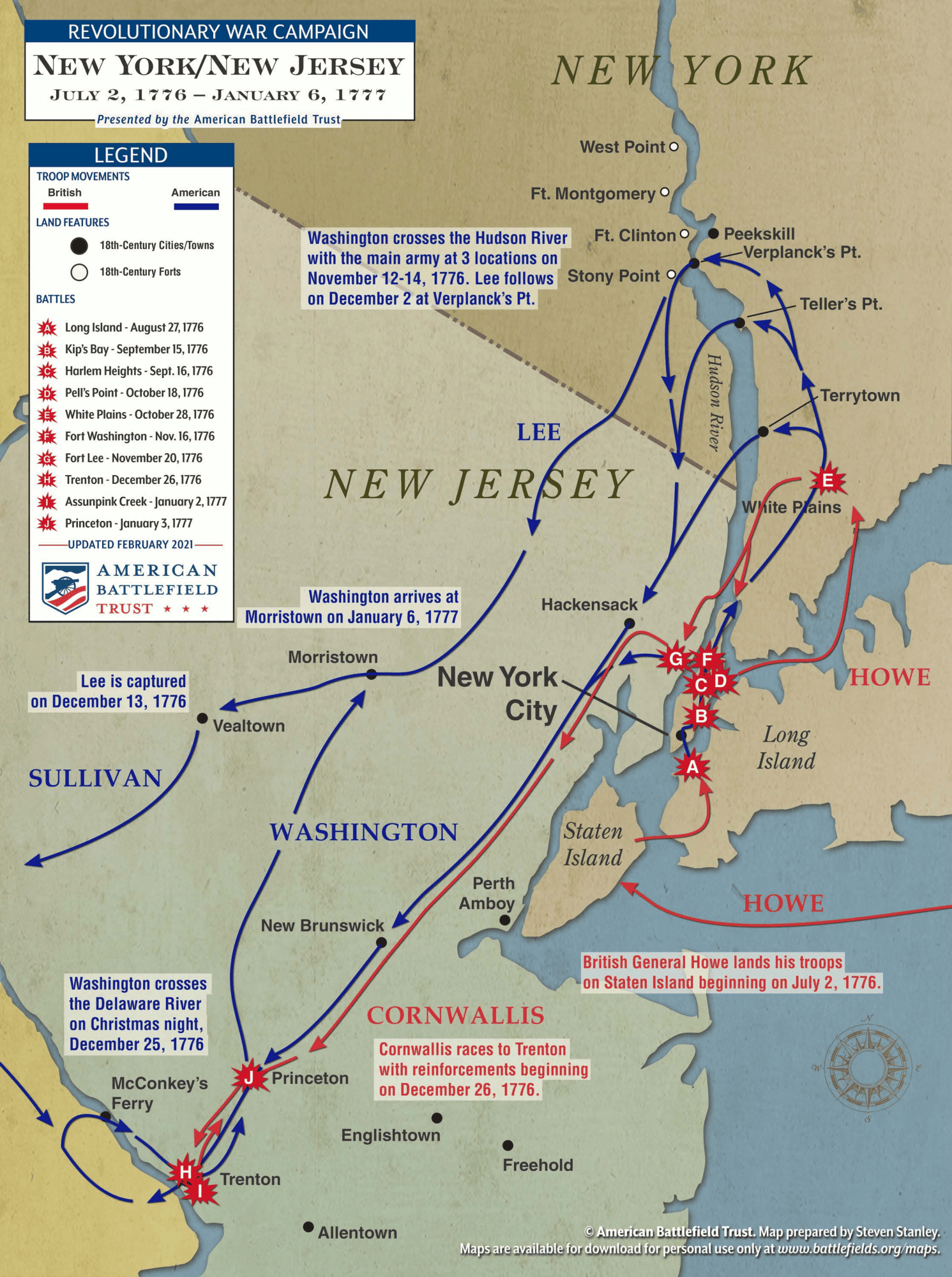
Continental Army’s Retreat from New York into New Jersey Fall of 1776
Instrumentation:
for Chamber Orchestra
2.2.2.2 | 2.2.2.2 | Timp | Hp | Str
Duration:
Approx. 8 mins
Score and Parts:
Please Inquire via email.
Program Notes
“Heaven knows how to put a proper price upon its goods; and it would be strange indeed if so celestial an article as FREEDOM should not be highly rated.” - Thomas Paine, December 19, 1776
By December 1776, the American cause for independence had suffered a succession of devastating defeats. New York had fallen to the British after a series of humiliating setbacks for the Continental Army. Washington’s forces had retreated across New Jersey, while Congress fled Philadelphia amid fears that the city would soon be occupied. Enlistments were expiring, desertions were increasing, and many civilians who had supported independence only months earlier began to conclude that reconciliation with Great Britain was inevitable. Confidence in Washington had weakened within Congress, and even some of his own generals, not without ambitions of their own, questioned whether they might be better suited to command the Continental Army.
On Christmas night, in what amounted to a desperate military gamble, approximately 2,400 soldiers crossed the ice-choked Delaware River in severe winter weather. Supporting crossings were thwarted by the storm and dangerous ice floes, leaving Washington’s force to proceed largely on its own. Already hours behind schedule and having lost the intended cover of darkness, the army nevertheless pressed forward toward Trenton and its occupying Hessian garrison. Washington chose to continue despite the enormous risk and the very real possibility of capture or death. The victory secured on the morning of December 26 did not end the war, but it restored desperately needed confidence to the revolutionary cause at the moment it appeared most vulnerable.
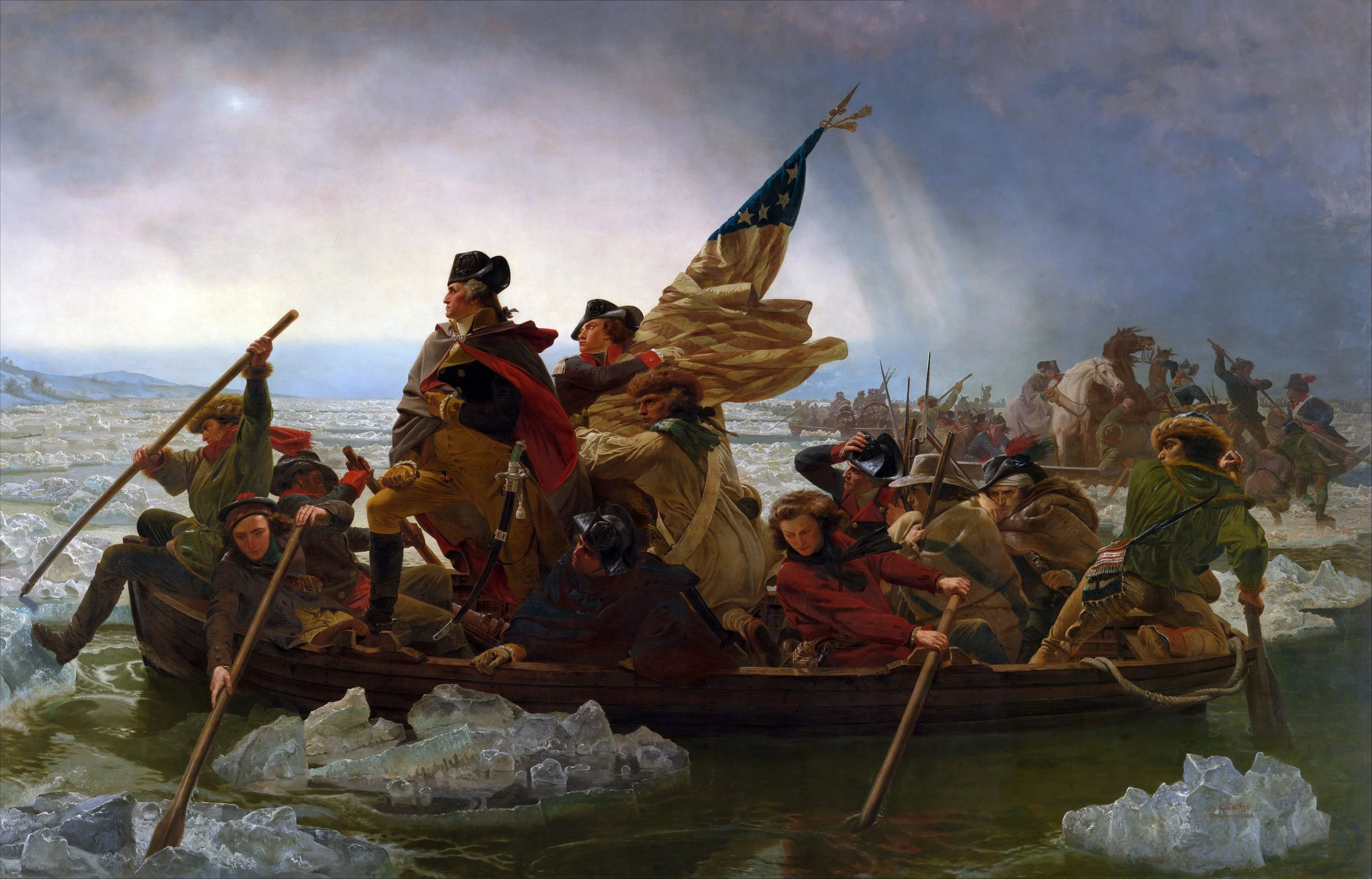
Washington Crossing the Delaware (1851) by Emanuel Leutze
Written to commemorate the 250th anniversary of the American founding, Midnight on the Delaware: An American Reflection serves not as a literal retelling of the Crossing of the Delaware, but as a meditation on the deeper stakes of revolution. Every revolution is, in a sense, a twofold gamble: first, that a people can free themselves from a government they believe has become oppressive; and second, more consequentially, that what they build in its place will remain faithful to the principles for which the revolution was fought. It is a reminder that a just, republican government is only as good as the character, perseverance, and judgment of the citizens who sustain it.
In focus throughout the piece is the concept of transformation. The music follows a journey from darkness to dawn, from uncertainty to conviction, and from apparent defeat to renewed hope. It reflects Washington’s transformation from a commander beset by doubt and indecision into one willing to stake everything on a daring decision, and ultimately into a central figure of the American founding. More broadly, it reflects the transformation of thirteen struggling colonies, populated by people who had understood themselves as British subjects, into a new republic whose people would come to understand themselves as American citizens, and whose survival and success were anything but inevitable.
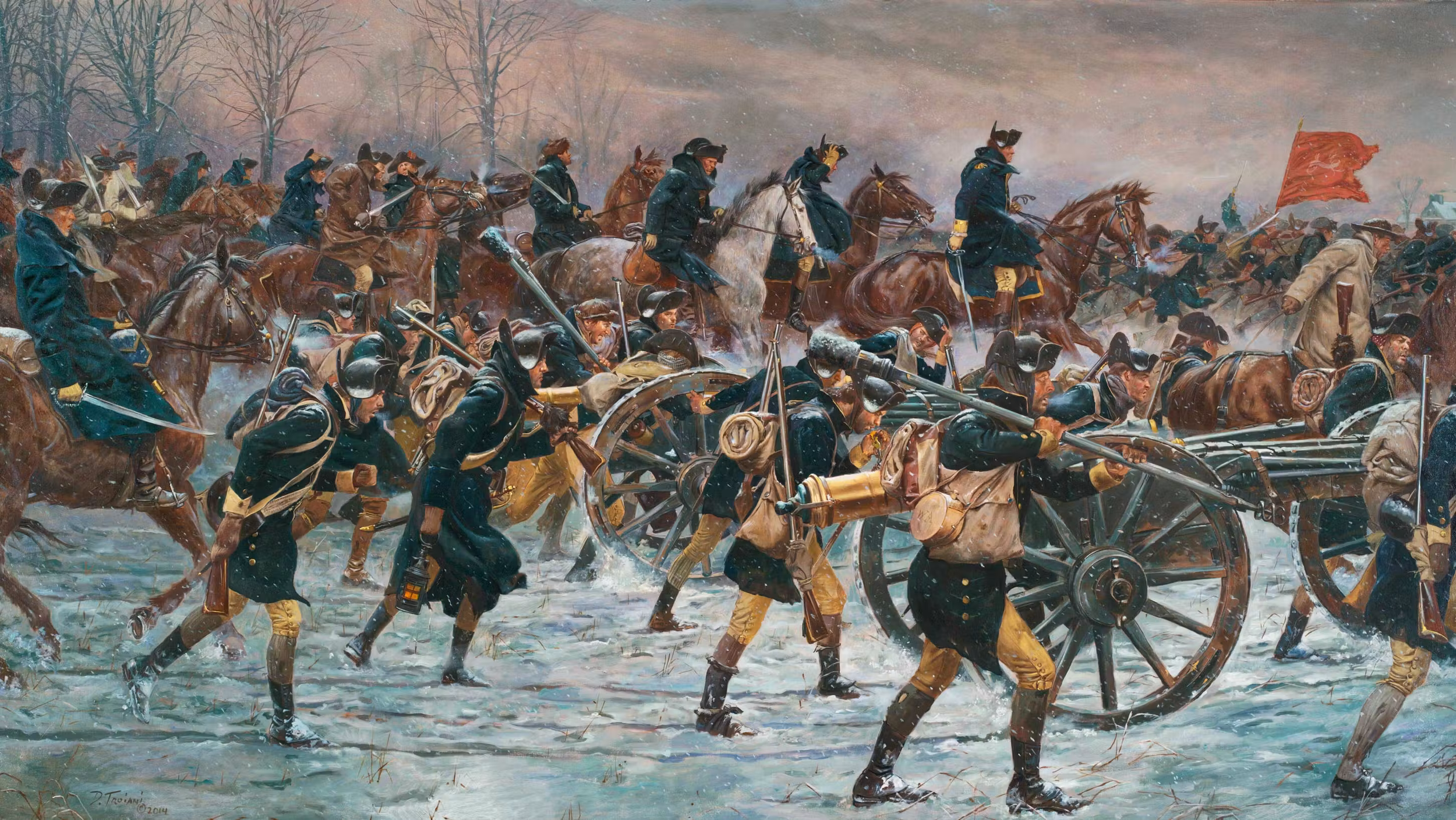
Victory or Death, Advance on Trenton by Don Troiani
As we commemorate the two hundred and fiftieth anniversary of the American founding, Midnight on the Delaware asks us to consider what it means to inherit the country for which an earlier generation risked everything, and how we might best steward that inheritance for generations to come.