Potentia Recording Day Reflections
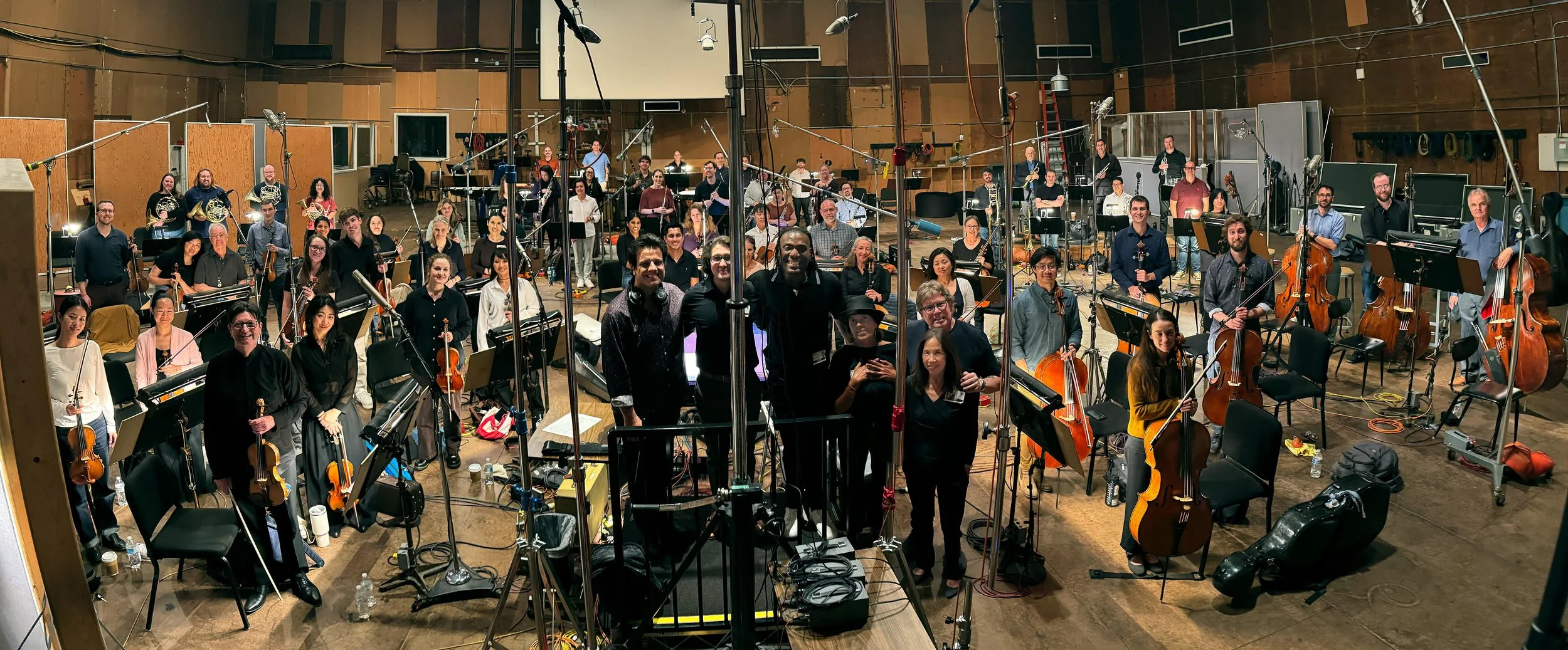
I remember feeling this way after the premiere of Potentia as well: a melancholy that is difficult to describe, yet one that seems, without fail, to settle into the soul after moments of profound artistic collaboration.
Recording a large-scale work with such an extraordinary group of musicians, engineers, and collaborators was a milestone I had dreamed about for years, and my time at Sony Pictures Studios with Orchestra Santa Monica was deeply humbling. Yet there was little opportunity to pause and savor the moment. The work itself demands complete attention from everyone involved. Every take asks the performer for one more ounce of concentration over hours of sustained performance. Then, before I realized it, the session was over. Cases were packed. Thank-yous and goodbyes were exchanged. Everyone returning to their families, flights, rehearsals, and everyday routines. A room that only moments before had been united by a singular purpose became empty once again, just as it had been when I arrived early that morning.
What lingers with me is not simply the music, but the temporary community that formed around it. For a few intense, fast-paced hours, dozens of people set aside their own lives to devote themselves to a single composition and a single poem, all in pursuit of something none of us could have created alone.
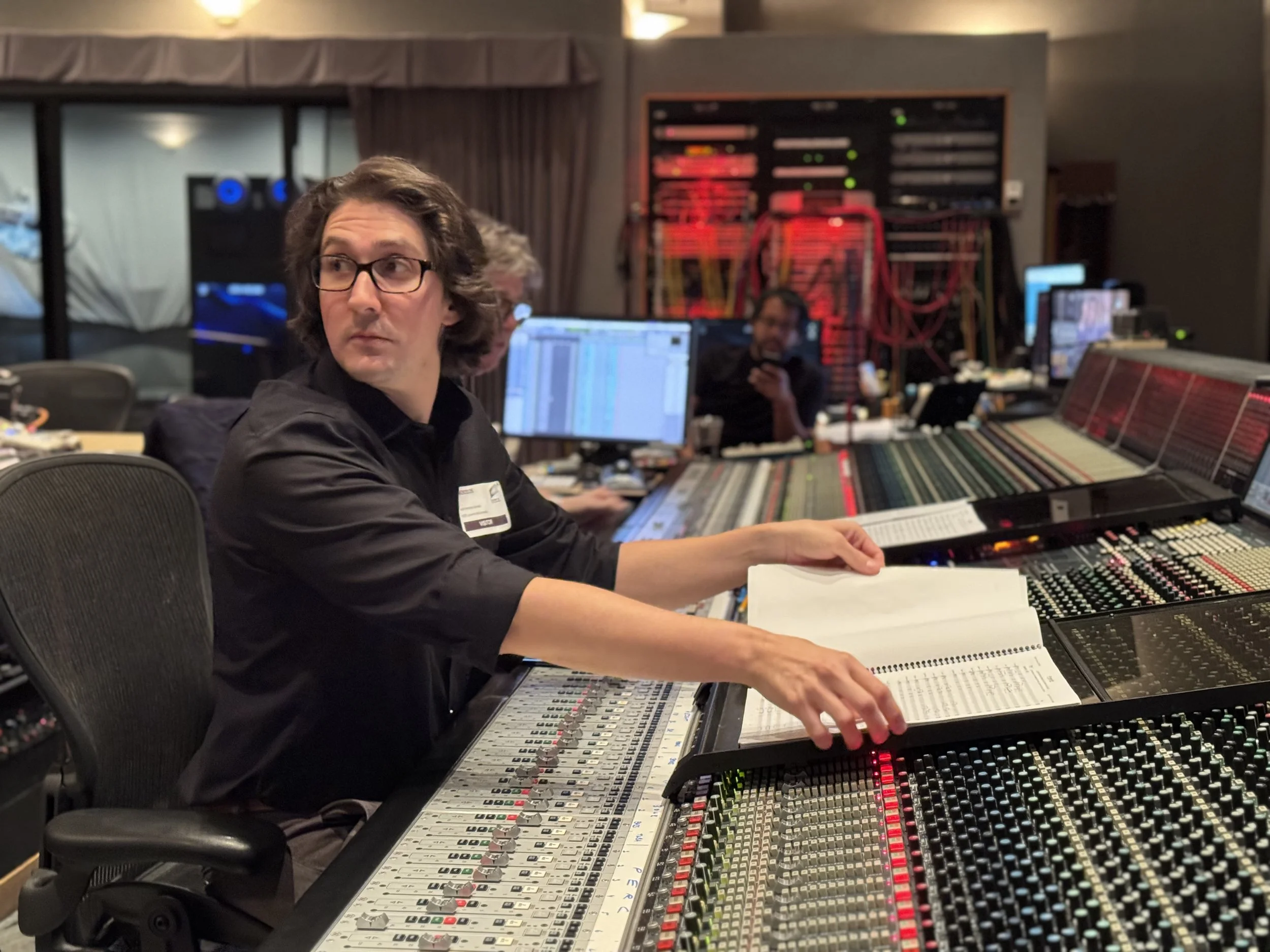
In the daze that followed the session, I hardly found the words to properly thank everyone for the care they brought to the process. I wanted to acknowledge Roger Kalia’s extraordinary stamina and musicianship, guiding the orchestra with unwavering focus while continually drawing out its very best. I wanted to express my admiration for Isaiah Bailey, whose performance was unmistakably his own while honoring so much of what Jubilant Sykes had first brought to the work. I thought of Anne Carmack’s beautiful poetry, whose words gave the piece its emotional center, of Alan Meyerson’s remarkable artisty and guidance in shaping the recording, and of every member of Orchestra Santa Monica whose generosity and talents elevated the work beyond anything I could have imagined.
I have come to think of this as the spiritual cost of creation.
The creative process asks for more than time or effort. It asks for a small, irretrievable part of yourself. Every work becomes infused with your hopes, fears, questions, and convictions before it is finally released into the world, where it no longer belongs solely to you. Others gather around it. They interpret it, shape it, challenge it, and ultimately carry it forward in ways you never could alone. Then, almost as suddenly as it formed, the community disperses. What remains is a feeling not unlike the quiet crash that follows a surge of adrenaline or endorphins: an emotional stillness after weeks, months, or years spent moving toward a singular purpose.
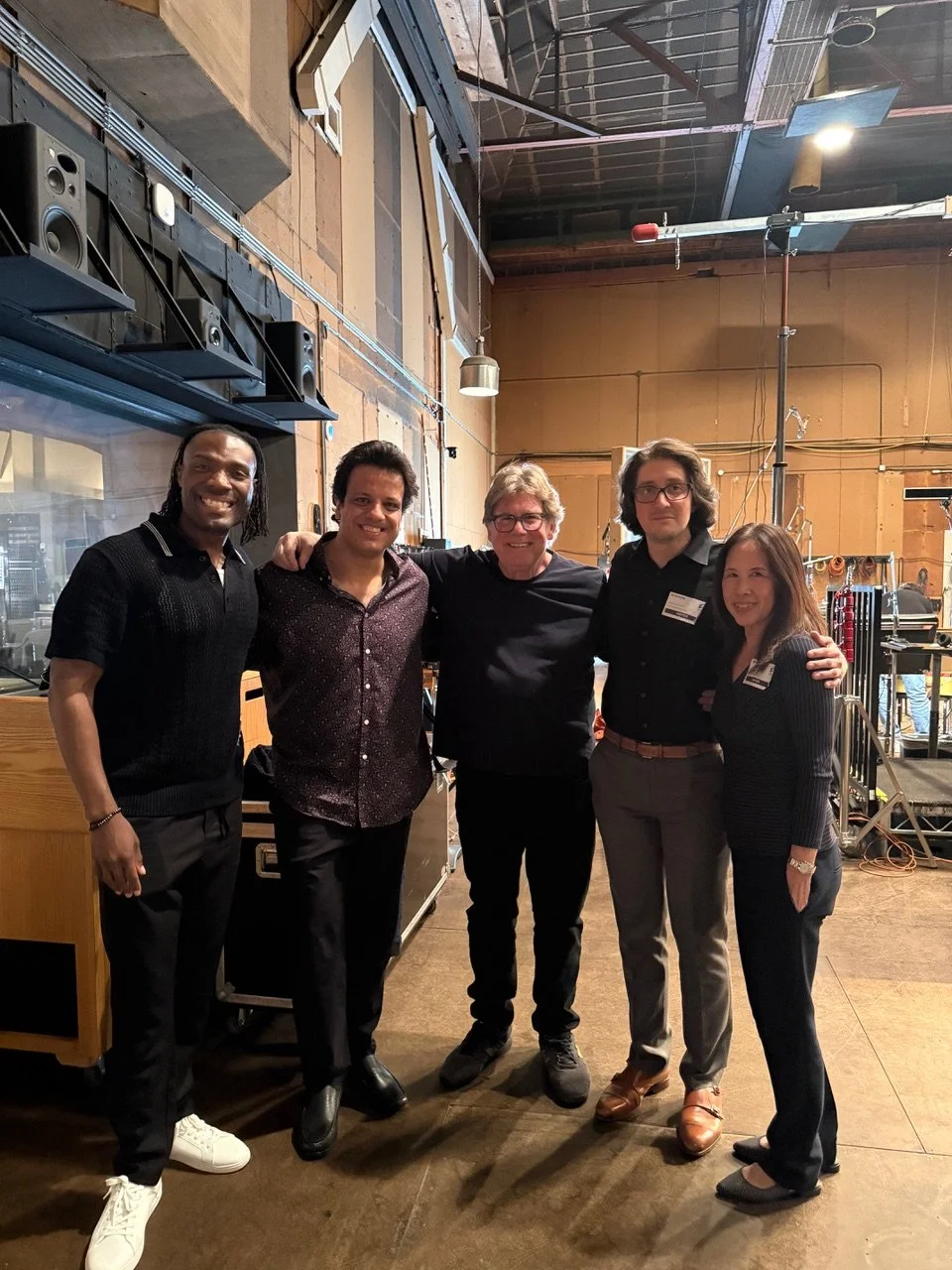
Only now is that melancholy beginning to give way to something warmer, something closer to catharsis and gratitude.
I remember the laughter between takes, the conversations over coffee, the intensity of the work, the generosity of every musician in the room, and the privilege of watching so many gifted people devote themselves so completely to bringing an idea into existence. The finished recording will endure, but so too will the memory of that fleeting moment when our lives briefly converged around a shared act of creation.
Art is often remembered for what it leaves behind: the score, the recording, the performance. Yet perhaps its greatest gift is the temporary community it creates along the way. That community is necessarily fleeting, which is precisely why its absence can be felt so deeply once the work is finished.
It is a beautifully strange, bittersweet practice, and one for which I can only be grateful I get to continue experiencing.
To everyone who made this recording possible, Roger Kalia, Isaiah Bailey, Anne Carmack, Alan Meyerson, Cindy Bandel, Orchestra Santa Monica, and every musician and member of the production team: thank you. This recording belongs to all of us.